
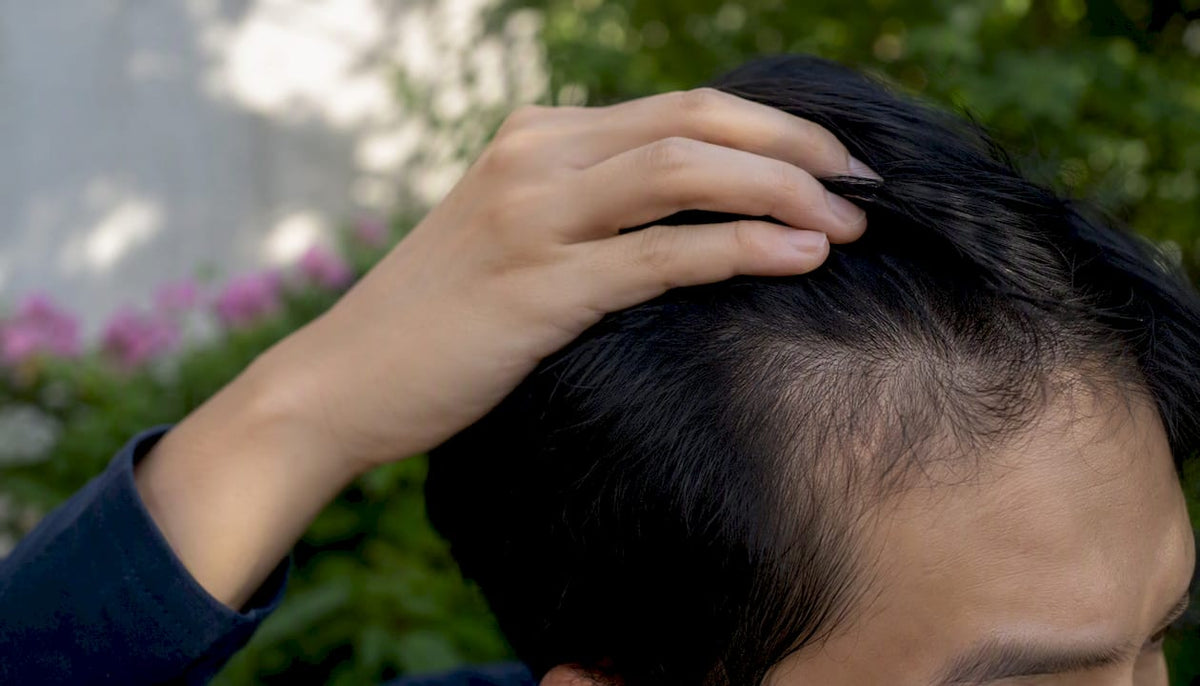
Scalp odour is almost always caused by sebum, sweat, and product buildup feeding microbes such as Malassezia yeast and bacteria, which then release volatile fatty acids with a musty, sour, or cheesy smell. The fastest things to try right now: switch to a ketoconazole or zinc pyrithione shampoo, use it twice weekly for four weeks, and cut back on heavy leave-in products applied directly to the scalp. Most cases respond well to these steps within a few weeks, according to Cleveland Clinic guidance on smelly scalp.
See a GP or dermatologist promptly if you notice any of the following:
- Sudden or patchy hair loss alongside the smell
- Scalp sores, bleeding, or widespread redness that does not clear within a week
- Fever or signs of systemic illness accompanying the scalp symptoms
Key takeaways
Scalp odour is almost always caused by microbial metabolism of sebum and sweat, and most cases respond to targeted antifungal or clarifying treatment within two to six weeks.
| Point | Details |
|---|---|
| Start with the right shampoo | Ketoconazole 2% twice weekly or zinc pyrithione daily targets the most common microbial cause. |
| Expect improvement in 2–6 weeks | Most yeast or fungal-driven cases improve within a few weeks with consistent treatment. |
| Over-washing can worsen odour | Stripping the acid mantle triggers rebound sebum; pH-balanced shampoos reduce this risk. |
| See a GP if red flags appear | Hair loss, sores, fever, or no improvement after four weeks all warrant medical review. |
| Livdor for long-term scalp health | After odour resolves, Livdor’s LLLT cap, biotin shampoo, and serums support ongoing scalp and hair health. |
What is scalp odour and why does your scalp smell?
Scalp odour, sometimes called smelly scalp syndrome, refers to a persistent unpleasant smell coming from the scalp itself rather than from hair products or environmental sources. It is more common than most people realise, and it usually has a biological explanation rather than a hygiene failing.
The mechanism is straightforward. Your scalp produces sebum (natural oil) and sweat continuously. Skin cells shed into this mix, and the whole combination creates a nutrient-rich environment for the microbes that live on every healthy scalp. When Malassezia yeast or bacteria metabolise sebum, they release volatile fatty acids that produce characteristic odours, ranging from musty and sour to faintly cheesy or even sulphurous.
Typical symptoms you might notice:
- A smell that returns within a day or two of washing
- Odour that is stronger after sweating or in warm weather
- A lingering smell in pillowcases or hats even after washing your hair
- Mild itching, flaking, or greasiness alongside the smell
- No visible rash or sores (if sores are present, that points to a medical cause)
The smell itself is not a sign of poor hygiene. It is a sign that the scalp’s microbial balance is off, and that is something you can usually correct with the right products and routine.
Medical and non-medical causes of scalp odour
Understanding which category your symptoms fall into helps you choose the right treatment from the start.
Medical causes
- Seborrheic dermatitis: The most common medical cause. Malassezia overgrowth triggers an inflammatory response, producing flaking, redness, and a yeasty or musty smell. Hormonal changes, stress, and cold weather can all trigger flares.
- Fungal scalp infection (tinea capitis): A dermatophyte infection more common in children but possible in adults. It can produce a distinctive musty odour alongside scaling and, in some cases, hair loss.
- Psoriasis: Plaque buildup on the scalp can trap sebum and microbial metabolites, producing odour even when hygiene is good.
- Hyperhidrosis: Excessive sweating creates a persistently damp scalp environment that accelerates microbial activity and odour production.
- Secondary bacterial infection: Scratching or open sores can introduce bacteria, producing a more pungent, sometimes foul smell distinct from the typical yeasty odour.
Non-medical causes
- Sebum and sweat buildup: The baseline driver. Oily scalp types produce more substrate for microbes and tend to develop odour faster between washes.
- Product buildup: Dry shampoo, styling waxes, and heavy leave-in conditioners accumulate on the scalp and trap microbial metabolites. Dry shampoo in particular can mask odour briefly while making the underlying buildup worse.
- Infrequent or incorrect washing: Under-washing allows buildup to accumulate; over-washing strips the acid mantle and triggers rebound sebum production.
- Diet: Foods high in sulphur compounds (garlic, onions, cruciferous vegetables) and excessive alcohol can alter body odour, including at the scalp, according to Healthline’s review of smelly scalp causes.
- Environmental odours: Smoke, cooking smells, and pollution cling to hair and can be mistaken for scalp odour.
- Hormonal changes: Perimenopausal shifts alter sebum composition and sweat patterns, creating conditions that favour Malassezia and bacterial metabolite production. Targeted antifungal care is often more effective than simply washing more frequently in these cases.
How clinicians assess scalp odour and when to see a GP
Most people with scalp odour can start with a GP rather than going straight to a dermatologist. A GP will take a brief history (how long, what products you use, any associated symptoms), visually examine the scalp, and in some cases use a Wood’s lamp to check for certain fungal infections that fluoresce under UV light.
If the cause is not clear from the visual exam, the next step is usually a skin scraping or swab sent for microscopy and culture. This identifies the specific organism involved, whether Malassezia, a dermatophyte, or a bacterial species, and guides treatment. Blood tests are occasionally ordered if a systemic cause such as hormonal imbalance or nutritional deficiency is suspected.
When home treatments fail or red flags are present, clinicians can prescribe topical or oral antifungals, corticosteroids, or refer directly to dermatology.
Red flags that warrant prompt medical review:
- Smell persists after four weeks of correct antifungal treatment
- Widespread redness, bleeding, or open sores on the scalp
- Sudden or patchy hair loss
- Fever, swollen lymph nodes, or other signs of systemic illness
- Scalp pain rather than just itching
If you have any of the above, skip the over-the-counter phase and book a GP appointment directly. The British Association of Dermatologists recommends GP referral to dermatology for any scalp condition that does not respond to first-line treatment within six to eight weeks.
Practical treatments to reduce scalp odour at home
Step-by-step plan
- Identify the most likely cause (product buildup, yeast/fungal, or medical) based on your symptoms and the causes section above.
- Start with a targeted wash: use a medicated shampoo matched to your likely cause for four weeks before switching.
- Adjust your routine: review washing frequency, product use, and drying habits.
- See your GP if there is no improvement after four to six weeks, or sooner if red flags appear.
Medicated and active-ingredient options
- Ketoconazole 2%: The strongest evidence base for Malassezia-driven conditions. Clinical reviews support its use as a first-line treatment wash, used twice weekly for four weeks. Leave on the scalp for three to five minutes before rinsing.
- Zinc pyrithione: An effective daily-use alternative with antifungal and cytostatic properties. Gentler than ketoconazole for ongoing maintenance.
- Selenium sulfide: Particularly useful for seborrheic dermatitis; reduces Malassezia populations and slows skin cell turnover.
- Salicylic acid: Helps dissolve keratin scale that traps microbial metabolites. Useful when there is visible buildup or flaking.
- Clarifying shampoos: Remove product residue and excess sebum. Use once a week or fortnight rather than daily; a professional-grade option such as the QAI Cleanse Shampoo can be effective for stubborn buildup.
- Tea tree oil (5%): A randomised controlled trial found 5% tea tree oil shampoo reduced dandruff symptoms more than placebo in that study. Botanical options carry some evidence but require correct concentrations; DIY dilutions risk irritation.
What to avoid
- Undiluted apple cider vinegar: Diluted rinses (one part vinegar to eight parts water) are sometimes used to restore scalp pH, but undiluted application risks chemical burns and contact dermatitis.
- Baking soda: Highly alkaline; raises scalp pH and disrupts the acid mantle, potentially worsening microbial imbalance.
- Undiluted essential oils: Tea tree, peppermint, and similar oils cause contact dermatitis at high concentrations. Always use a formulated product rather than neat oil.
Pro Tip: Pair a twice-weekly ketoconazole treatment wash with a pH-balanced daily shampoo (ideally pH 4.5–5.5) on non-treatment days. This reduces Malassezia quickly while keeping the acid mantle intact between treatments, which is exactly what clinical experts advise for sustained results.
Expect noticeable improvement within several weeks for most fungal or yeast-driven causes. Product buildup cases often clear faster, sometimes within two to three washes with a clarifying shampoo.
Daily and weekly habits to prevent scalp odour returning
Getting rid of the smell is one thing; keeping it away requires a consistent routine that works with your scalp type rather than against it.
Core routine checklist:
- Wash oily scalp types every one to two days with a gentle, pH-balanced shampoo; normal to dry scalp types can usually manage with two to three washes per week.
- Dry the scalp thoroughly after washing and after exercise. A persistently damp scalp accelerates microbial growth.
- Apply conditioner and leave-in products to the mid-lengths and ends only, not directly to the scalp.
- Use a clarifying wash once a fortnight to clear any accumulated residue, particularly if you use dry shampoo or styling products regularly.
- After sweating heavily (exercise, hot weather), rinse the scalp with water even if you do not do a full shampoo wash.
Reintroducing products safely: If you suspect a styling product is contributing to odour, remove all non-essential products for two weeks, then reintroduce one at a time with a week between each. This patch-and-minimal approach quickly identifies the culprit.
Lifestyle considerations: Reducing alcohol intake, moderating sulphur-rich foods during flares, and avoiding smoking or heavy smoke exposure all reduce the substrate available for odour-forming microbial metabolism. Managing hyperhidrosis triggers (heat, stress, spicy food) is particularly helpful for those whose odour is sweat-driven.

Why over-washing can actually make scalp odour worse
The counterintuitive truth about scalp odour is that washing more often is not always the answer. Dermatology experts caution that over-washing strips the scalp’s protective microbiome and barrier, which can trigger a rebound effect: the scalp overproduces sebum to compensate, feeding the very microbes responsible for the smell.
Scalp surface pH plays a central role here. Research shows that alkaline shampoos raise scalp surface pH for several hours, while pH-balanced (acidic) products leave the acid mantle largely undisturbed. A higher pH creates conditions that favour Malassezia overgrowth, which is the opposite of what you want when treating odour. Choosing a shampoo formulated around pH 4.5–5.5 is a simple, evidence-backed step that many people overlook.
Key insight: Scalp microbiome balance matters as much as cleansing frequency. Reducing Malassezia with a short course of antifungal treatment, then maintaining the acid mantle with a pH-balanced shampoo, tends to produce better long-term results than increasing wash frequency alone. Preliminary research into scalp probiotics is promising, but commercial formulations vary widely from the strains studied in trials, so regulated antifungal actives remain the more reliable choice for persistent cases.
Pro Tip: If you currently wash daily and your scalp still smells, try reducing to every other day while using a zinc pyrithione shampoo. Give it three weeks before judging the result. Many people find the smell actually improves once the rebound sebum cycle is broken.
A note on getting this right
Scalp odour is almost always treatable, and the path forward is usually clearer than it first appears. Start with the most likely cause, match it to a targeted product (ketoconazole for yeast, clarifying wash for buildup), and give it a genuine four-week trial before changing course. If red flags appear at any point, a GP or dermatologist is the right next step, not another shampoo switch.
The scalp microbiome research is genuinely interesting here: it shifts the conversation away from “wash more” and towards “wash smarter.” That distinction matters for long-term scalp health as much as for odour specifically.
Supporting your scalp and hair health for the long term
Once the immediate odour concern is under control, many people find it worth thinking about the broader picture of scalp and hair health. Home care and medicated treatment address the acute issue; what comes next is building a routine that keeps the scalp environment balanced and supports healthy hair growth over time.
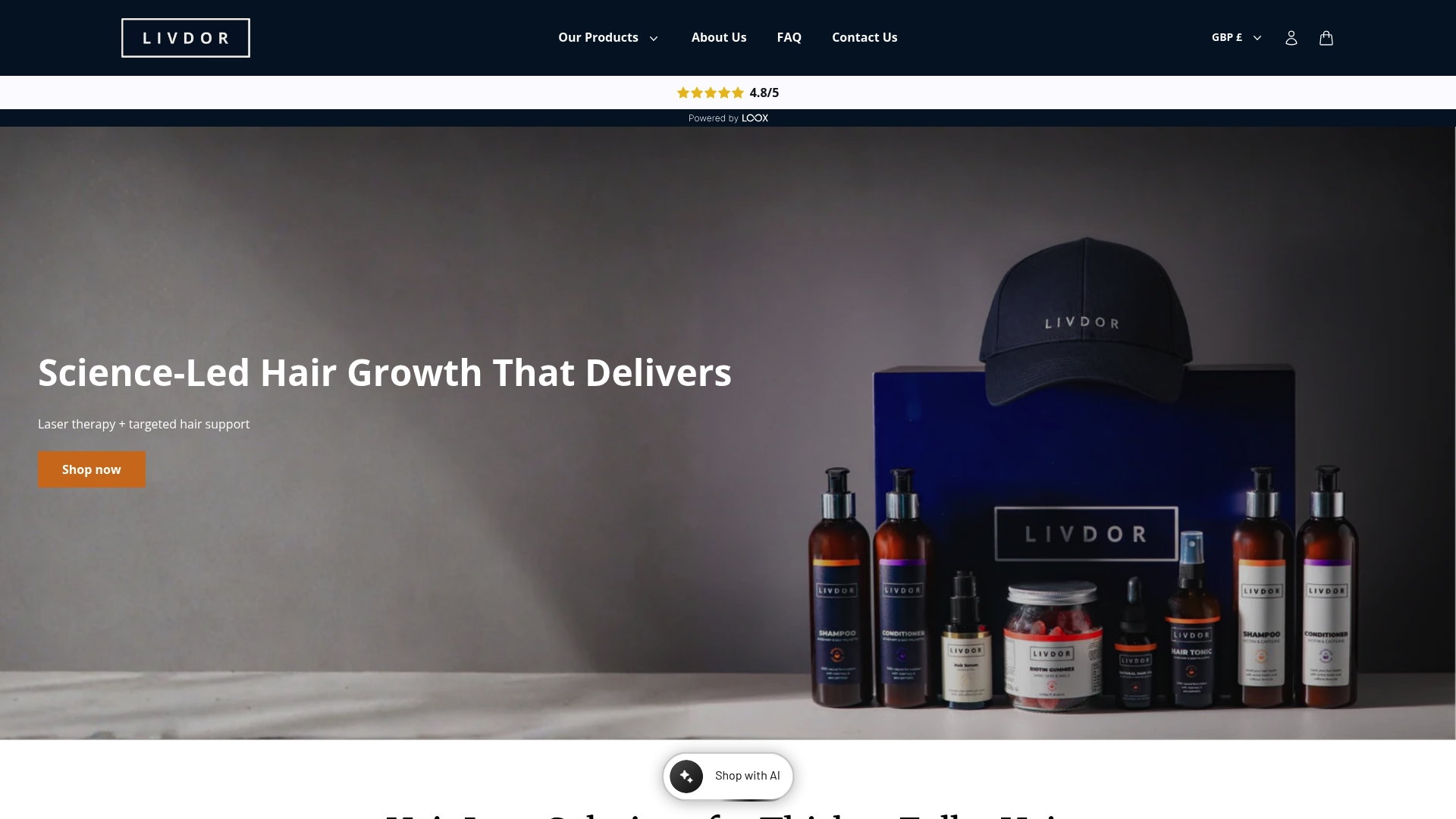
Livdor’s range of science-backed, drug-free products is designed precisely for this stage of the care pathway. The flagship LLLT Laser Hair Growth Cap uses 272 medical-grade lasers at 650nm to stimulate hair follicles through low-level laser therapy, a clinically studied approach to supporting thicker, fuller hair at home. For daily scalp maintenance, the Biotin Shampoo with Caffeine and Rosemary Conditioner with Saw Palmetto offer a gentle, pH-conscious cleanse without harsh chemicals. The Hair Growth Serum combines biotin, caffeine, and Pro-Vitamin B5 to support the scalp environment between washes, and Biotin Gummies provide nutritional support for hair from the inside out.
Used together, these products form a natural, premium support system for scalp and hair health. One important note: if you have an active scalp infection or significant skin breaks, discuss device use with your GP or dermatologist before starting LLLT therapy. Browse the full Livdor laser hair growth range to find the right combination for your needs.
Sources
The following UK-relevant and clinical resources are worth bookmarking. Showing them to your GP or dermatologist can help focus your consultation.
- Cleveland Clinic: Smelly scalp
- Verywell Health: Smell on the scalp — what causes it?
- NCBI Bookshelf: Clinical dermatology chapters (NBK499819)
- Pubmed
- NCBI PMC article (scalp pH and shampoo)
This article is general information, not a substitute for advice from a qualified doctor. Consult a qualified healthcare professional about your own circumstances before acting on anything here.
FAQ
How do you get rid of a smelly scalp?
Use a ketoconazole 2% or zinc pyrithione shampoo twice weekly for four weeks, leaving it on the scalp for three to five minutes before rinsing. If product buildup is the likely cause, a clarifying shampoo used once a week will clear residue faster.
Is it normal to be able to smell your own scalp?
A faint scalp smell is common and usually reflects normal sebum and microbial activity, but a persistent or strong odour that returns within a day or two of washing suggests microbial imbalance worth addressing with a targeted shampoo.
Which shampoo works best for a smelly scalp?
For product buildup, a clarifying shampoo used weekly is the most direct fix.
What does a fungal scalp smell like?
A fungal or yeast-driven scalp odour is typically musty, sour, or faintly cheesy, caused by volatile fatty acids released when Malassezia metabolises sebum. A bacterial secondary infection tends to produce a more pungent or foul smell.

Leave a comment
This site is protected by hCaptcha and the hCaptcha Privacy Policy and Terms of Service apply.