

TL;DR:
- Reactive hair loss, also called telogen effluvium, is a temporary condition caused by stress, illness, or nutritional deficiencies that triggers diffuse scalp shedding. It generally peaks within three to six months of the trigger and fully recovers in six to twelve months once the cause is addressed. Proper diagnosis involves medical history, scalp examination, blood tests, and specialized imaging to ensure targeted treatment.
Reactive hair loss, clinically known as telogen effluvium, is defined as a sudden, diffuse shedding of hair triggered by a physiological or emotional stressor. The condition occurs when large numbers of hair follicles are prematurely pushed into the telogen (resting) phase of the hair cycle, causing widespread scalp thinning that can feel alarming. The good news is that reactive hair loss is almost always temporary and reversible. Understanding what is reactive hair loss, why it happens, and how to treat it effectively is the first step toward getting your hair back on track.
What causes reactive hair loss?
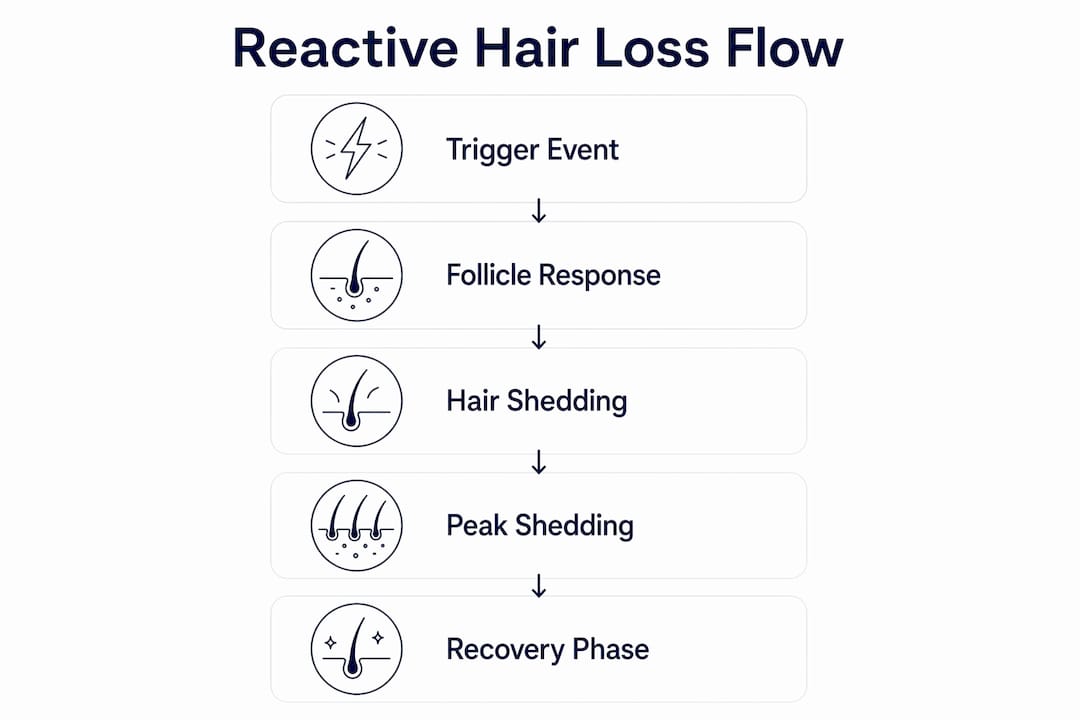
Reactive hair loss results from a significant physical or emotional shock to the body. The trigger forces hair follicles to abandon the active growth phase (anagen) and enter the resting phase (telogen) prematurely. Weeks later, those resting hairs shed simultaneously, producing the sudden increase in daily hair loss that many people notice.
The most common triggers include:
- Severe illness or infection, including high fever
- Major surgery or hospitalisation
- Childbirth and postpartum hormonal shifts
- Crash dieting or rapid, significant weight loss
- Chronic psychological stress or acute trauma
- Nutritional deficiencies, particularly low ferritin, iron, or vitamin D
- Thyroid disorders
- Certain medications, including anticoagulants and retinoids
Stress is a particularly well-documented cause. Cortisol accelerates follicle transition into the telogen phase and reduces the nutrient supply to the scalp. The body essentially prioritises survival over hair growth, redirecting resources away from follicles during periods of high demand.
Multiple simultaneous stressors compound the effect. Someone recovering from surgery whilst also managing poor nutrition and sleep deprivation faces a much greater risk of significant shedding than someone dealing with a single, isolated trigger.
Pro Tip: If you are noticing heavy shedding now, look back 8–16 weeks in your calendar. The trigger event timing almost always falls within that window, not in the days immediately before shedding began.
What are the symptoms of reactive hair loss?
Reactive hair loss produces a distinctive pattern that sets it apart from other types of hair loss. The shedding is diffuse, meaning it occurs across the entire scalp rather than in specific patches or along a defined hairline. You will typically notice more hair on your pillow, in the shower drain, and on your brush, without any single bald area forming.
The table below compares the key features of the three most commonly confused hair loss conditions:
| Feature | Reactive hair loss (telogen effluvium) | Androgenetic alopecia | Alopecia areata |
|---|---|---|---|
| Pattern | Diffuse, all-over thinning | Patterned (crown, temples, or hairline) | Patchy, coin-shaped bald spots |
| Onset | Sudden, 2–4 months post-trigger | Gradual, over years | Can be sudden or gradual |
| Reversibility | Usually fully reversible | Progressive without treatment | Variable |
| Cause | Stressor or illness | Genetics and androgens | Autoimmune response |
| Scarring | None | None | None |
Reactive hair loss differs from androgenetic alopecia in its acute onset and diffuse distribution. Androgenetic alopecia follows a predictable, patterned progression tied to genetics and hormones. Reactive loss, by contrast, arrives quickly and without the characteristic recession or crown thinning.
Shedding typically peaks around 3–6 months after the trigger and then gradually slows. Full recovery generally takes 6–12 months once the underlying cause is resolved, provided the follicles remain intact and undamaged.
Pro Tip: Seek a specialist evaluation if your shedding is accompanied by scalp pain, burning, patchy loss, or fatigue. These symptoms suggest a condition beyond straightforward reactive hair loss and require prompt clinical assessment.
How is reactive hair loss diagnosed?
Accurate diagnosis is the foundation of effective treatment. A clinical history is the most important diagnostic tool. Your doctor or trichologist will ask about recent illnesses, surgeries, dietary changes, stress levels, and any medications you are taking. This conversation alone often identifies the trigger.
The diagnostic process typically follows these steps:
- Full clinical history. Lifestyle, recent health events, medications, and symptom timeline are all reviewed in detail.
- Physical scalp examination. The specialist assesses hair density, scalp condition, and the distribution of thinning across the scalp.
- Hair pull test. A gentle tug on a small cluster of hairs reveals whether an abnormal number of telogen hairs are present. More than six hairs releasing easily suggests active effluvium.
- Blood panel. Tests for ferritin, thyroid function, vitamin D, and zinc identify treatable deficiencies that may be driving or prolonging the shedding.
- Trichoscopy. A dermatoscope examination of the scalp can distinguish reactive loss from scarring alopecias or androgenetic alopecia with greater precision.
The NHS recommends consulting a GP if hair loss is sudden, unexplained, or accompanied by other symptoms. A GP can then refer you to a dermatologist or trichologist for specialist assessment. Confirming the cause before starting treatment matters because simply taking supplements without addressing the underlying trigger or inflammation rarely resolves reactive hair loss effectively.
Understanding your nutritional deficiencies and hair loss connection is particularly worth exploring, as low ferritin is one of the most frequently missed contributors to prolonged shedding.
What are the most effective reactive hair loss treatments?
The primary treatment for reactive hair loss is removing or resolving the trigger. Once the stressor is gone, the hair cycle can normalise and follicles re-enter the growth phase. That said, targeted therapies significantly speed up recovery and improve the quality of regrowth.
The most effective treatments and management strategies include:
- Low-level laser therapy (LLLT). Medical-grade laser caps operating at 650nm wavelength stimulate follicle activity and increase blood flow to the scalp. Livdor’s LLLT Laser Hair Growth Cap uses 272 medical-grade lasers to deliver clinically supported photobiomodulation directly to the scalp.
- Biotin and caffeine shampoo. A biotin shampoo with caffeine cleanses the scalp whilst delivering active ingredients that support follicle health and reduce breakage.
- Rosemary conditioner with saw palmetto. Rosemary extract supports scalp circulation, and saw palmetto helps moderate DHT activity. Together they create a supportive environment for regrowth.
- Hair growth serum with biotin, caffeine, and Pro-Vitamin B5. A targeted hair growth serum applied directly to thinning areas delivers concentrated nutrients to the follicle.
- Biotin gummies. Biotin (vitamin B7) supports keratin production. Taking biotin gummies daily provides a consistent internal supply of this key hair-building nutrient.
- Hair growth vitamins. A broad-spectrum hair growth vitamin supplement addresses multiple potential deficiencies simultaneously, covering zinc, vitamin D, and iron alongside biotin.
A combined treatment approach covering nutrition, inflammation reduction, and follicle stimulation consistently produces better outcomes than any single intervention. LLLT works at the follicle level whilst supplements address systemic deficiencies. Using both together means you are supporting hair recovery from the inside and the outside simultaneously.
Patience is non-negotiable. Hair follicles operate on a slow biological clock. Even with the right treatment in place, visible improvement takes time. Most people see meaningful regrowth within 6–12 months of resolving the trigger and starting a consistent treatment routine.
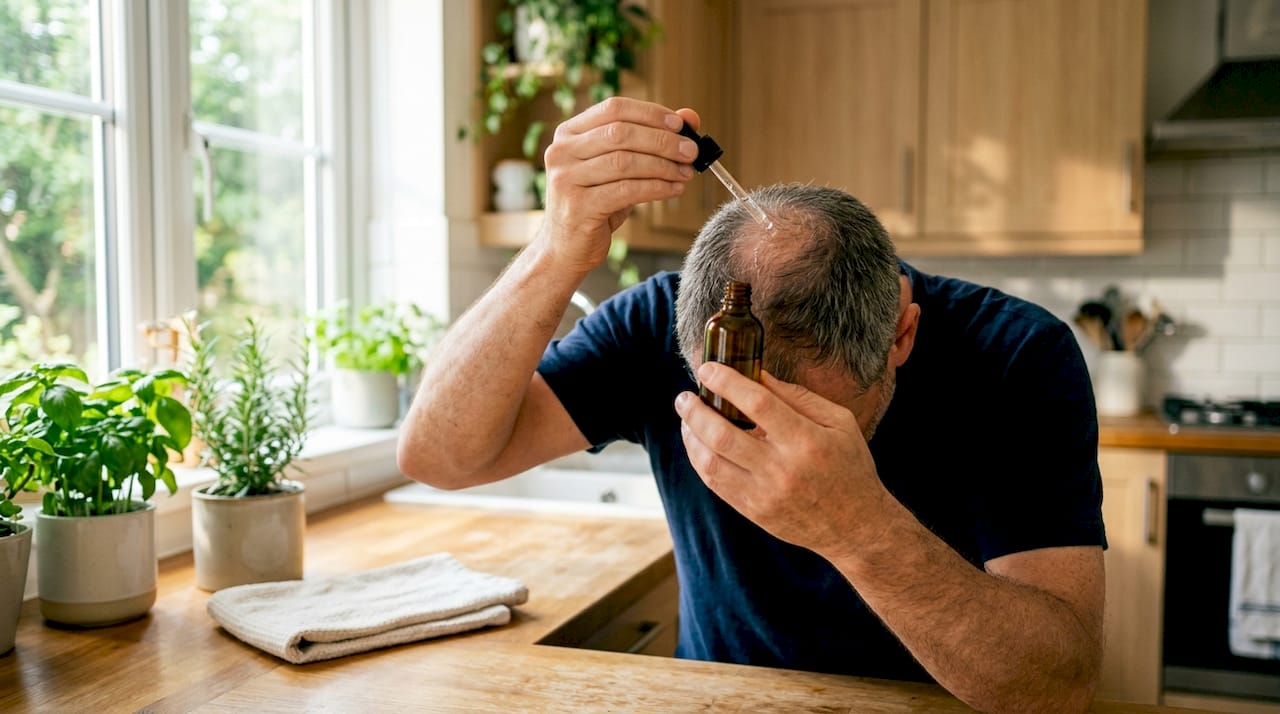
Pro Tip: Combine your LLLT laser cap sessions with a daily non-pharmaceutical hair remedy routine including a serum and vitamin supplement. The combined effect on follicle health is measurably greater than using laser therapy alone.
Key takeaways
Reactive hair loss is a temporary, reversible condition that responds well to targeted treatment once the underlying trigger is identified and resolved.
| Point | Details |
|---|---|
| Definition and cause | Reactive hair loss (telogen effluvium) is diffuse shedding triggered by illness, stress, or nutritional deficiency. |
| Timing of shedding | Shedding appears 2–4 months after the trigger, not immediately, so look back 8–16 weeks to find the cause. |
| Reversibility | Follicles remain intact in reactive cases, making full recovery within 6–12 months realistic when triggers are resolved. |
| Diagnosis first | Blood tests for ferritin, thyroid function, and vitamin D are needed before starting treatment to avoid missing the root cause. |
| Combined treatment | LLLT laser therapy combined with biotin supplements, caffeine shampoo, and a targeted serum produces the best regrowth outcomes. |
My honest view on reactive hair loss
I have spoken with a great many people who arrive convinced they are losing their hair permanently. The panic is understandable. Seeing clumps of hair in the shower is frightening, and the internet does not always make it easier to find clear answers. What I have consistently found, though, is that reactive hair loss is one of the most misunderstood and over-feared conditions in hair health.
The single biggest mistake I see is people focusing on what is happening right now rather than what happened two or three months ago. The delay between trigger and shedding is genuinely counterintuitive. Someone who had a difficult bout of flu in january and notices heavy shedding in march will often blame their new shampoo or a recent stressful week at work. Getting the timeline right changes everything about how you approach treatment.
The second mistake is reaching for a single fix. Biotin alone will not resolve reactive hair loss if the underlying cause is a thyroid issue or chronic inflammation. Equally, laser therapy without addressing nutritional gaps leaves the follicle without the raw materials it needs to produce healthy hair. The people I see recover most consistently are those who take a layered approach: resolve the trigger, correct deficiencies, stimulate the follicle with LLLT, and give the process time.
Reactive hair loss is not a life sentence. The follicles are alive. With the right support, they respond.
— Adam Bond
Livdor’s approach to reactive hair loss recovery
Reactive hair loss responds best when you address it from multiple angles at once. Livdor’s range is built around exactly that principle.

The Livdor LLLT Laser Hair Growth Cap uses 272 medical-grade lasers at 650nm wavelength to stimulate follicle activity directly at the scalp. Pair it with Livdor’s biotin gummies, caffeine and biotin shampoo, rosemary conditioner with saw palmetto, and a targeted hair growth serum to support recovery from both inside and outside. All products are drug-free, free from harsh chemicals, and designed for consistent daily use. Visible results typically begin within three months of starting a combined routine. Explore the full laser hair growth range to find the right combination for your needs.
FAQ
What is the difference between reactive hair loss and normal shedding?
Normal daily shedding is up to 100 hairs per day. Reactive hair loss significantly exceeds this, causing noticeable diffuse thinning across the scalp rather than gradual, barely perceptible loss.
Is reactive hair loss permanent?
Reactive hair loss is not permanent in the vast majority of cases. Because follicles remain intact with no scarring, full recovery within 6–12 months is expected once the trigger is resolved and appropriate treatment is in place.
Can stress alone cause reactive hair loss?
Yes. Stress raises cortisol levels, which accelerates the transition of follicles into the resting phase and reduces nutrient delivery to the scalp. Chronic or acute psychological stress is a well-documented standalone trigger for telogen effluvium.
Can medications cause reactive hair loss?
Yes. Anticoagulants, retinoids, certain antidepressants, and other medications are known to trigger telogen effluvium. A full medication review is part of any thorough diagnostic assessment for sudden hair shedding.
How long does reactive hair loss last?
Shedding typically peaks at 3–6 months after the triggering event and then gradually slows. With the trigger resolved and appropriate treatment in place, most people achieve full or near-full regrowth within 6–12 months.

Leave a comment
This site is protected by hCaptcha and the hCaptcha Privacy Policy and Terms of Service apply.