
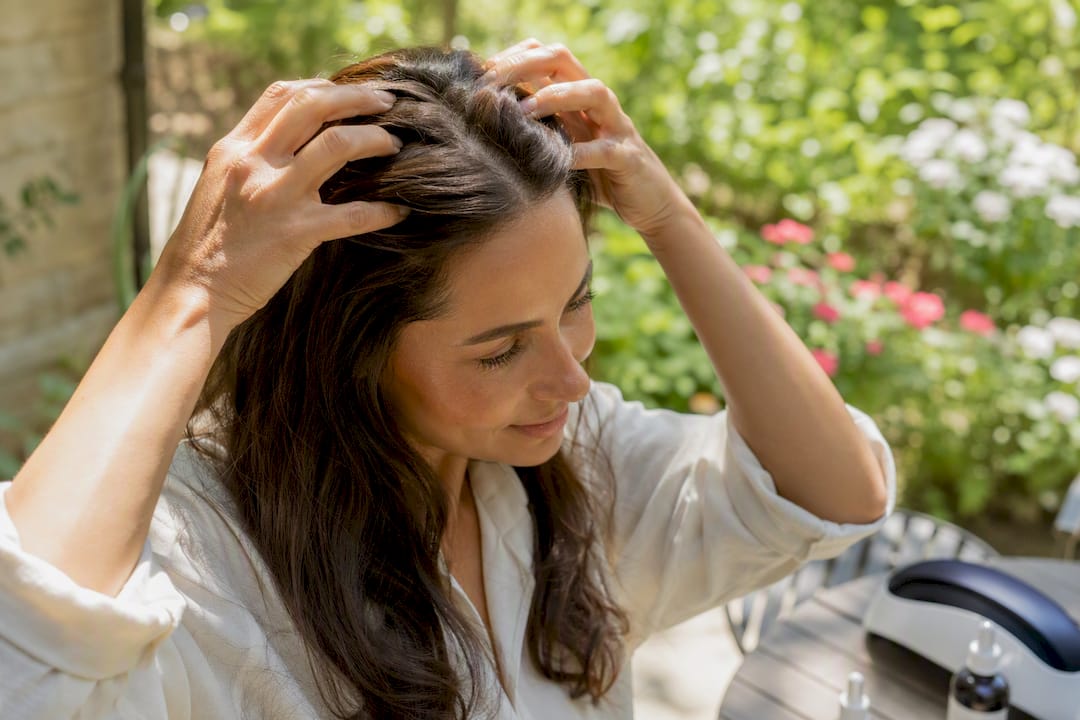
Yes, there is a remedy, and yes, most of it comes down to time plus the right support. Postpartum hair loss typically starts around three months after childbirth and resolves within six to twelve months, with many mothers regaining normal fullness by their baby’s first birthday. While you wait it out, you can genuinely speed up how your hair looks and feels.
Here’s where to put your energy this week:
- Eat enough protein, iron and zinc, and get your ferritin checked if shedding feels severe
- Switch to a volumising, sulfate-free shampoo and a lightweight conditioner
- Add scalp support, such as rosemary oil, to encourage a healthier follicle environment
- Consider a medical-grade LLLT cap alongside biotin support for a non-drug boost
All of this is safe to introduce while breastfeeding, provided you check high-dose supplements with your doctor first. Give any new routine eight to twelve weeks before judging the results.
Key Takeaways
Most postpartum hair loss resolves naturally within several months, and nutrition, gentle hair care and LLLT therapy can visibly support that recovery.
| Point | Details |
|---|---|
| Shedding follows a timeline | Onset around three months, peak at three to four months, recovery within six to twelve months. |
| Normal shedding is diffuse | Even thinning across the scalp is typical; patchy loss or scalp pain needs a clinician’s review. |
| Nutrition supports regrowth | Check protein, iron, ferritin, zinc and vitamin D before reaching for high-dose supplements. |
| Gentle hair care reduces breakage | Volumising, sulfate-free shampoo and ends-only conditioner protect fragile strands. |
| Livdor’s LLLT cap adds non-drug support | A 650nm medical-grade cap paired with biotin gummies and rosemary or caffeine topicals supports visible fullness from around three months of consistent use. |
What causes postpartum hair loss to be needed in the first place?
Postpartum shedding is technically called telogen effluvium, a temporary hair-cycle disruption triggered by the sharp drop in oestrogen after you give birth. During pregnancy, high oestrogen levels hold more hairs than usual in the growth (anagen) phase, so your hair often looks thicker than ever. Once oestrogen falls after delivery, a large batch of those hairs shifts into the resting (telogen) phase all at once, then sheds together a few months later.
The timeline usually runs like this:
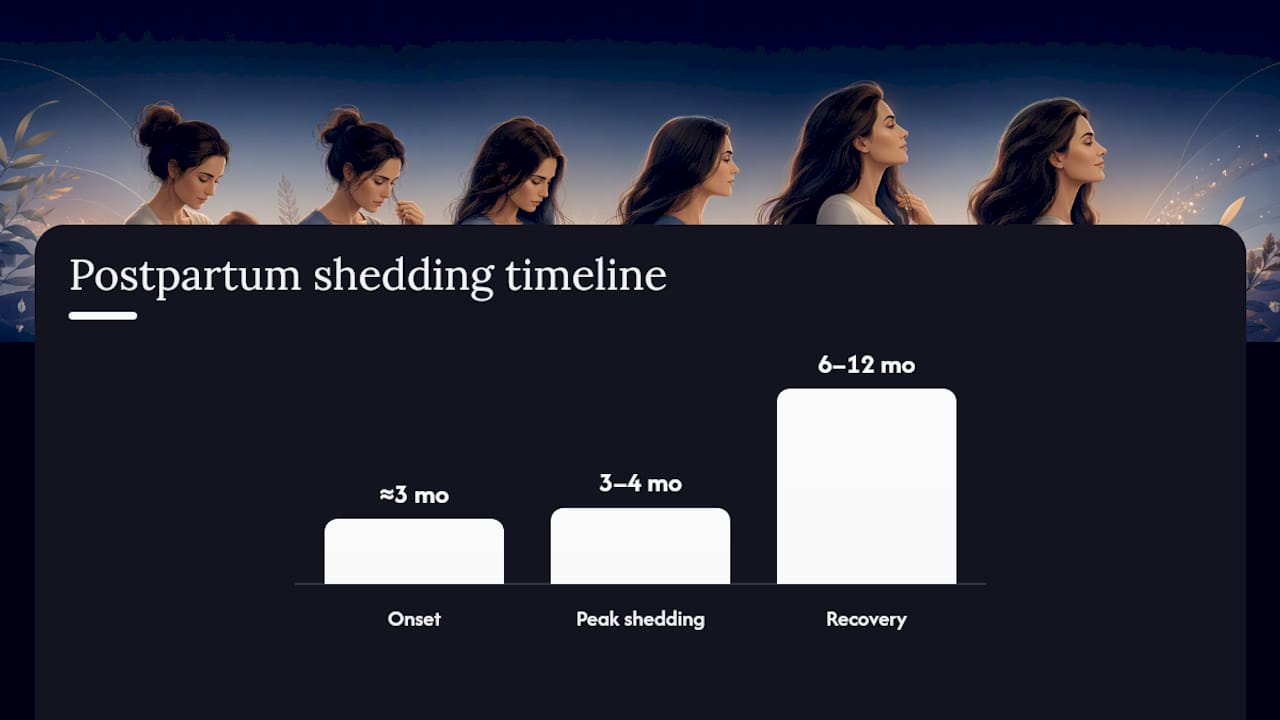
- Onset: shedding typically becomes noticeable around three months postpartum
- Peak: the heaviest shedding tends to happen between three and four months
- Recovery: most mothers see regrowth and renewed density within six to twelve months
Picture the hair cycle as three overlapping phases: anagen (growth, lasting years), catagen (a brief transition), and telogen (rest, before the strand releases). Normally only 10 to 15% of your hair sits in telogen at any time. After birth, that proportion spikes, which is why a hairbrush that used to catch a few strands suddenly looks like it lost a fight.
Telogen effluvium is a well-documented, diffuse hair-cycle disturbance rather than a disease, and it resolves once the follicles cycle back into growth.
How much shedding is normal after having a baby?
Normal postpartum shedding is diffuse, with hair thinning spread evenly across the scalp rather than in one bald patch, and you’ll notice more strands in the shower drain, on your pillow and in the car seat.
Everyday signs that fit the normal pattern:
- A visibly fuller hairbrush or shower drain, but scalp skin still looks even and healthy
- Thinning that’s spread out, not concentrated in one spot
- No pain, itching, redness or flaking underneath the shedding
Signs that need a closer look:
- Patchy or coin-sized bald spots rather than all-over thinning
- Scalp pain, burning or visible redness
- Shedding continuing long after a year
- Sudden, dramatic hair loss rather than a gradual increase
Day to day, a shower drain catcher, a wide-tooth comb for wet hair, and a low ponytail or bun can all reduce visible frustration while nature takes its course.
Evidence-backed natural remedies for postpartum hair loss
Nutrition is the foundation. Adequate protein, iron, zinc and vitamin D support the hair follicle’s working environment, and low ferritin in particular is worth ruling out with a simple blood test if shedding feels unusually heavy. Biotin gets a lot of attention as one of the best vitamins for postpartum hair growth, but it only makes a visible difference if you’re actually deficient, which is uncommon on a varied diet.

For supplement safety while breastfeeding, the general clinical guidance is sensible rather than dramatic: continue a prenatal or postnatal multivitamin where your midwife or GP recommends it, and get sign-off before starting anything at a high dose.
Pro Tip: If you’re taking high-dose biotin, tell your doctor before any thyroid blood test. Biotin can throw off certain lab assays and produce a misleading result, which occasionally leads to an unnecessary follow-up.
On the topical side, a few ingredients have genuine support:
- Rosemary oil is one of the most cited natural options for scalp circulation and follicle support, and it works well as part of a daily routine such as Livdor’s rosemary conditioner with saw palmetto
- Caffeine shampoos may modestly support follicular activity when used consistently, such as a caffeine shampoo with added biotin
- Lightweight peptide or niacinamide serums support scalp condition without weighing hair down
- Ketoconazole shampoo is sometimes recommended by dermatologists for scalp health, though it’s better discussed with a clinician than self-prescribed
None of these reverse the underlying hormone shift. What they do is give your scalp the best possible conditions to grow back thick, healthy strands once your body is ready.
Everyday hair care that reduces breakage and improves fullness
Postpartum hair is often more fragile than usual, so the products you choose matter almost as much as the remedies you take internally. Look for a volumising, sulfate-free shampoo, and save conditioner for the ends only. A heavy, “deep conditioning” formula applied to the roots will only weigh down thinning hair and make it look flatter.
A few practical changes make a visible difference within days, not months:
- Choose a shorter cut or textured layers, which read as fuller than one long, thinning length
- Air-dry when you can, and use a heat protectant on the lowest safe setting when you can’t
- Avoid tight ponytails, buns or braids that pull on already-stressed follicles
- Detangle wet hair gently, starting from the ends and working up, ideally with a wide-tooth comb
Pro Tip: Wet hair is at its most fragile. Detangling from the bottom up, rather than dragging a brush from root to tip, cuts breakage significantly without adding a single extra minute to your morning.
When to see a doctor about postpartum hair loss
Most shedding needs nothing more than time and the right hair care. But get it checked if you notice patchy rather than diffuse loss, shedding that’s still heavy past twelve months, or symptoms like fatigue, cold intolerance or dry skin that could point to a thyroid issue.
A GP or dermatologist will typically run a full blood count and iron studies (including ferritin), thyroid function tests, and sometimes vitamin D. In atypical cases, a scalp examination or biopsy rules out other causes of hair loss.
Referral to dermatology is appropriate once shedding persists beyond a year, or sooner if there’s scalp pain, sores or unusually rapid loss.
Where LLLT laser caps fit into your recovery plan
Low-level laser therapy works by stimulating cellular activity in the follicle, encouraging more hairs to sit in the active growth phase rather than resting, as you can with the Voraly Clinical Hair Growth System for a non‑drug boost. Small studies suggest modest improvements in hair count and density from consistent LLLT use, and it’s generally considered a safe, drug-free option.
Realistic expectations matter here: most users notice their first visible changes around the three-month mark, with fuller results building by six months, roughly the same window your natural regrowth is already working on. A 650nm medical-grade cap used for the recommended session length several times a week, alongside good scalp hygiene, tends to give the most consistent outcomes.
- Look for a device with genuine medical-grade laser diodes, not decorative LEDs
- Pair sessions with a light scalp massage to help product and circulation work together
- Combine LLLT with biotin gummies and a rosemary or caffeine-based topical for a fuller strategy
- Avoid use over open scalp wounds or active infections, and check with your doctor if in doubt
A note from Adam Bond
Watching your hair come out in handfuls is genuinely frightening, even when you know intellectually that it’s temporary. That gap between the biology and the panic is real, and it deserves more sympathy than most advice columns give it. The science is reassuring: your follicles aren’t dying, they’re resetting. Nutrition, gentle hair care, and a well-made LLLT cap paired with the right supplements won’t rush biology, but they give your scalp its best possible conditions while you wait it out.
A simple, drug-free plan worth building around
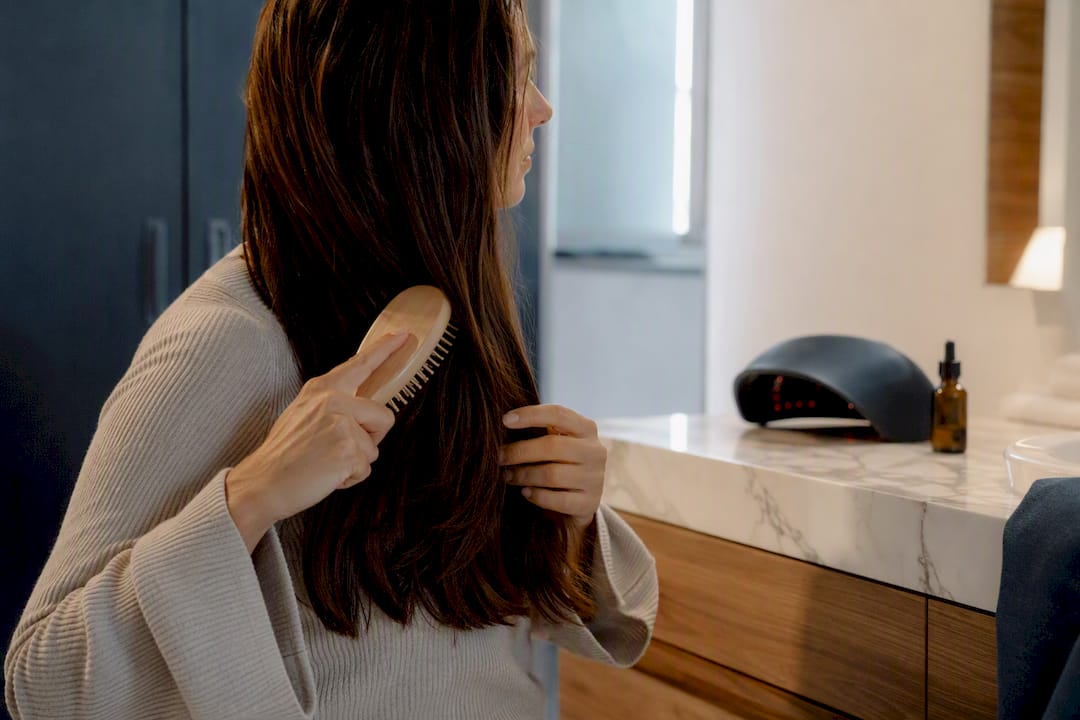
Livdor built its approach around one idea: postpartum hair recovery works better with consistent, non-drug support rather than a single miracle product. Its LLLT hair growth cap uses 650nm medical-grade lasers designed for regular at-home use, without pills, prescriptions or downtime around a newborn’s schedule.

Pairing the cap with a few targeted extras tends to work best. Biotin gummies support the nutritional side without demanding a diet overhaul, while a rosemary conditioner with saw palmetto, a biotin conditioner, or a hair growth serum combining biotin, caffeine and pro-vitamin B5 all reinforce the scalp environment your follicles need. If you’re breastfeeding and have any concerns about supplement dosing, check with your doctor first; that one conversation removes any guesswork. Ready to see what a proper LLLT routine looks like? Browse Livdor’s full range of laser hair growth products and build a routine around your recovery timeline.
Sources
- Postpartum hair loss: why it occurs and how to cope
- Postpartum hair loss
- Telogen effluvium (NCBI Bookshelf)
- Postpartum hair loss: Treatment and more
Always discuss your personal situation with your GP or a dermatologist.
This article is general information, not a substitute for advice from a qualified doctor. Consult a qualified healthcare professional about your own circumstances before acting on anything here.
FAQ
Can postpartum hair loss be reversed?
Yes, in nearly all cases it resolves on its own as follicles cycle back into growth, typically within six to twelve months, and supportive care can help hair look fuller in the meantime.
How much hair loss is normal postpartum?
Noticeably more shedding than usual, spread evenly across the scalp, is normal; patchy bald spots or scalp pain are not and warrant a check-up.
Is it normal to experience postpartum hair loss after a year?
Shedding usually settles by twelve months, so continued heavy loss beyond that point should be reviewed by a dermatologist to rule out thyroid issues or other causes.
What are some natural remedies for postpartum hair loss?
Adequate protein, iron and zinc, gentle volumising hair care, rosemary oil, caffeine shampoo, and a medical-grade LLLT cap such as Livdor’s are the most evidence-aligned, drug-free options.
Is biotin safe while breastfeeding?
Standard doses are generally considered safe, but high doses can interfere with thyroid lab tests, so mention any biotin supplement to your doctor before bloodwork.

Leave a comment
This site is protected by hCaptcha and the hCaptcha Privacy Policy and Terms of Service apply.