

For early thinning, the most evidence-backed, non-invasive approach combines a medical-grade LLLT cap (650nm wavelength) with a biotin-forward topical serum and a daily nutraceutical supplement. A Bayesian network meta-analysis ranked LLLT among the top performers for terminal hair regrowth at 24 weeks, placing it above several pharmaceutical options. That is a meaningful result for anyone who wants real progress without drugs.
The European Dermatology Forum is clear that treatment must be individualised, but the evidence consistently points to three product categories working best in combination:
- LLLT device: medical-grade laser cap, 650nm wavelength, sufficient diode count for full scalp coverage
- Topical serum: biotin, caffeine, and Pro-Vitamin B5 applied daily to the scalp
- Oral supplement: biotin gummies or a targeted hair growth vitamin taken consistently
Livdor’s Laser Hair Growth Cap, hair growth serum, and UK-made biotin gummies map directly onto this stack. The sections below explain the evidence, the specs to look for, and how to build a practical regimen.
Why evidence strength matters for hair thinning
Not all hair products are created equal, and the gap between a well-conducted randomised controlled trial (RCT) and a marketing claim can be enormous. Evidence tiers matter because they tell you how likely a product is to produce a real, measurable result rather than a placebo effect.
The strongest evidence comes from peer-reviewed RCTs and network meta-analyses (NMAs). Below those sit observational studies and case series, and at the bottom sits anecdotal marketing copy. Research reviewing treatment options confirms that LLLT, alongside certain nutraceutical blends, now has genuine trial data behind it.
Who benefits most from non-invasive approaches? People with early androgenetic thinning, where follicles are miniaturised but still active, respond best. The earlier you act, the more follicles remain stimulable. Adherence is equally important: stopping active treatment commonly causes regression of gains over months, so a maintenance mindset is non-negotiable from day one.
How do LLLT, topical serums, and supplements compare?
| Product type | Evidence strength | Best for | Time to results | Cost profile | Usage frequency | Safety notes |
|---|---|---|---|---|---|---|
| LLLT cap | Strong (NMAs, RCTs) | Early to moderate thinning | 12–24 weeks | Higher upfront, low ongoing | 3–5 sessions/week | Avoid with photosensitivity or implanted devices |
| Topical serum | Moderate (ingredient-level trials) | Early thinning, daily maintenance | 60–180 days | Low to moderate, recurring | Daily | Generally well tolerated |
| Nutraceutical supplements | Moderate (formulation trials) | Systemic support, early thinning | 90–180 days | Low, recurring | Daily | Check for interactions; third-party tested preferred |
| Biotin/caffeine shampoo | Emerging (ingredient studies) | Scalp health, shedding reduction | 12 weeks | Low, recurring | Daily or alternate days | Minimal risk; rinse-off format |
| Saw palmetto & rosemary shampoo | Emerging (botanical evidence) | DHT-related thinning, scalp care | 12–24 weeks | Low, recurring | Daily or alternate days | Minimal risk |
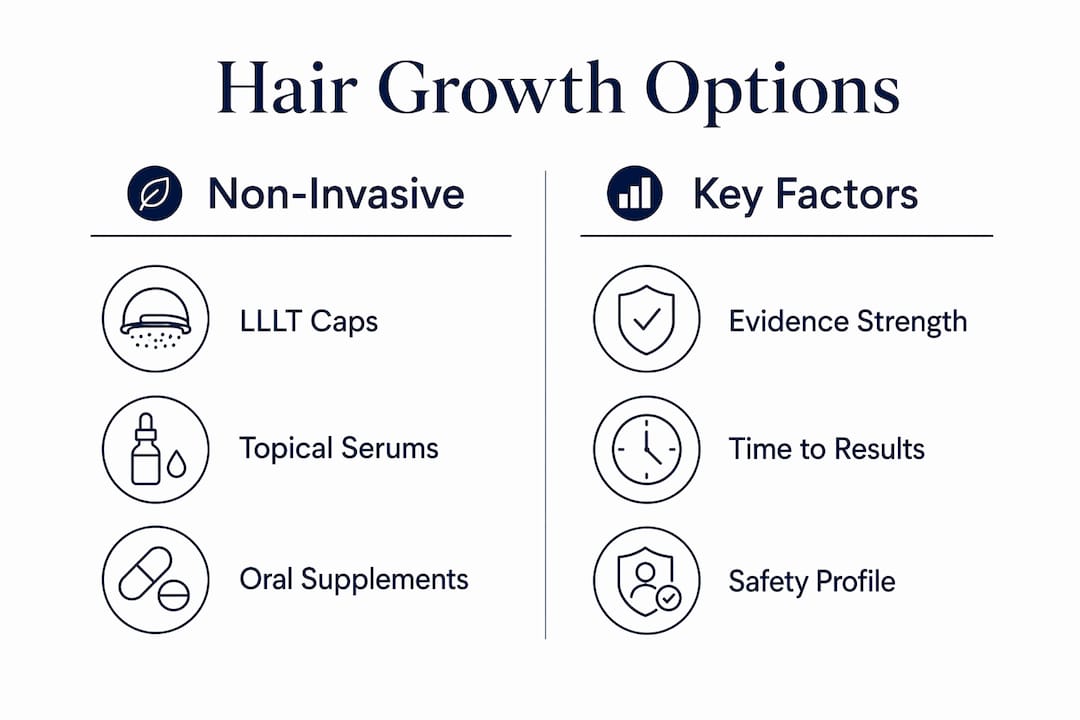
Pro Tip: Combining an LLLT cap with a daily serum and supplement gives your follicles three distinct stimuli simultaneously. No single product category covers all the biological pathways involved in hair regrowth.
How does LLLT work, and what device specs should you look for?
Low-level laser therapy works by delivering photons of light at a specific wavelength directly to the hair follicle. This stimulates cellular energy production (ATP synthesis) within the follicle, enhances perifollicular blood circulation, and shifts follicles from the resting (telogen) phase back towards active growth (anagen). The hair growth cycle underpins why timing and consistency matter so much.
A systematic review and meta-analysis found LLLT superior to placebo for promoting hair growth in men with androgenetic alopecia, with results comparable to minoxidil in a six-month head-to-head trial. That is significant for anyone seeking a drug-free path.
Device specs to prioritise:
- Wavelength: 650nm is the clinically studied sweet spot for follicle penetration
- Laser type: medical-grade laser diodes, not LED substitutes
- Diode count: higher counts (e.g. 272 diodes) provide fuller scalp coverage
- Certification: CE or UKCA marking confirms the device meets UK/EU safety standards
- Warranty and returns: a credible supplier will offer documented warranty terms
One important nuance: the NMA data shows some users experience an attenuation of response after around 12 weeks. This does not mean the treatment has failed; it means consistent maintenance sessions are required to preserve and build on early gains.
Pro Tip: Always check whether a device uses true laser diodes rather than LEDs. The clinical evidence is built on laser-specific photobiomodulation, and the two are not interchangeable.
Which topical ingredients and supplements have real supporting evidence?
Topical actives worth knowing
Biotin serum and caffeine shampoo are among the most accessible starting points. Caffeine penetrates the hair follicle and has been shown in laboratory studies to counteract the effects of DHT on follicle growth. Biotin supports keratin infrastructure. Livdor’s hair growth serum combines biotin, caffeine, and Pro-Vitamin B5 (panthenol) in a single daily formula.

Rosemary extract has attracted growing clinical interest. Its mechanism involves improved scalp circulation, similar to minoxidil but without the pharmaceutical side-effect profile.
Redensyl and Capilia longa are newer actives. A 60-day clinical study of a serum containing Redensyl, AnaGain, Procapil, and Capilia longa found statistically significant improvements in hair growth rate, thickness, and density, with no reported adverse reactions. Topical botanicals generally require 60–180 days of consistent daily use before cumulative results become visible.
Saw palmetto and rosemary shampoo targets DHT-related thinning at the scalp surface. Used alongside a leave-on serum, it adds a complementary cleansing step that supports a healthy scalp environment.
Oral supplements with trial data
Multi-ingredient nutraceutical blends have moved beyond marketing. Controlled trials of formulations including marine complex supplements reported reduced shedding and increased hair counts at 90–180 days. Biotin gummies and targeted hair growth vitamins provide the micronutrient foundation that topicals and devices cannot supply on their own.
Livdor’s biotin gummies are manufactured in the UK, which matters for quality assurance and traceability. Always look for third-party tested products with transparent ingredient panels and declared concentrations.
Safety note: if you are pregnant, breastfeeding, or taking prescription medication, speak to your GP before adding any new supplement. Some ingredients interact with anticoagulants and hormonal therapies.
A practical evidence-based regimen for early thinning
A consistent, combined approach gives you the best chance of measurable results. Here is a straightforward starting protocol:
Daily routine:
- Morning: apply hair growth serum (biotin, caffeine, Pro-Vitamin B5) to the scalp; leave on
- Shower: use biotin shampoo with caffeine or saw palmetto and rosemary shampoo
- With breakfast: take one biotin gummy or hair growth vitamin
LLLT sessions (3–5 times per week):
- Use the laser cap for the manufacturer-recommended session duration (typically 20–30 minutes)
- Consistency matters more than intensity; missing sessions slows progress
Progress checkpoints:
- 12 weeks: photograph the crown and hairline under consistent lighting; assess shedding
- 24 weeks: most users see the clearest visible change at this point
- 52 weeks: evaluate density and thickness; adjust the regimen with a trichologist if needed
Pro Tip: Take baseline photographs before you start. It is very easy to underestimate gradual improvement without a reference point, and photos are the most reliable way to track real progress.
How to choose products in the UK: a practical checklist
UK shoppers have specific protections and standards to lean on. Use this checklist before purchasing any device or product.
What to look for:
- CE or UKCA marking on any laser device
- Published clinical trial data (not just “clinically inspired” marketing language)
- Third-party lab testing certificates for supplements
- Transparent ingredient lists with declared active concentrations
- Clear warranty terms and a UK returns policy
- Trichologist or clinician endorsement with named practitioners
Red flags to avoid:
- Vague “clinically proven” claims with no cited study or trial reference
- Undisclosed ingredient concentrations (e.g. “contains biotin” with no amount stated)
- Promises of permanent regrowth after a short course of use
- No contact details, no warranty, or no returns policy
- Devices with no CE/UKCA marking or regulatory classification
For drug-free hair growth options, buying directly from a recognised UK supplier or official reseller reduces the risk of counterfeit devices and unverified formulations.
Safety, contraindications, and when to see a professional
LLLT is well tolerated by most people, but there are clear contraindications. Do not use a laser cap if you have photosensitivity (including medication-induced), an active scalp infection, or an implanted electronic device such as a pacemaker. Pregnant women should seek medical advice before using any LLLT device.
For supplements, the key cautions are interactions with anticoagulants (high-dose biotin can affect some blood tests) and hormonal medications. Saw palmetto has mild anti-androgenic properties; check with your GP if you are on hormone therapy.
See a GP or trichologist if you notice:
- Rapid or diffuse shedding that begins suddenly
- Patchy loss, scalp inflammation, or scarring
- Systemic symptoms such as fatigue, weight change, or nail changes alongside hair loss
- No response after a consistent, evidence-based six-month trial
When you attend an appointment, bring a treatment timeline, dated photographs, and the ingredient lists of products you have been using. A trichologist can perform a trichoscopy assessment and rule out scarring alopecia or systemic causes that non-invasive products cannot address.
Pro Tip: Biotin supplementation at high doses can interfere with certain thyroid and cardiac blood tests. Let your GP know you are taking it before any blood work.
Why Livdor is a strong UK choice for this regimen
Livdor’s product range maps directly onto the evidence-based stack described throughout this article. The Laser Hair Growth Cap uses 272 medical-grade 650nm laser diodes, providing full scalp coverage at the clinically studied wavelength. It carries the relevant device certification and comes with warranty and returns support for UK customers.
The complementary range covers every layer of the regimen:
- Hair Growth Serum: biotin, caffeine, and Pro-Vitamin B5 in a daily leave-on formula
- Biotin Shampoo with caffeine: supports scalp health and follicle stimulation at every wash
- Saw Palmetto and Rosemary Shampoo: targets DHT-related thinning with botanical actives
- Biotin Gummies and Hair Growth Vitamins: UK-manufactured oral support with transparent formulations
Livdor also has a documented trichologist partnership, giving the brand independent clinical credibility beyond its own marketing.
Pro Tip: The hair growth set bundle is a practical way to start the full regimen without sourcing each product separately.
Key takeaways
The most evidence-backed non-invasive regimen for early thinning combines a 650nm medical-grade LLLT cap, a daily biotin and caffeine serum, and a UK-manufactured biotin supplement, with visible results typically appearing between 12 and 24 weeks.
| Point | Details |
|---|---|
| LLLT is the strongest non-invasive option | Network meta-analyses rank LLLT among the top performers for terminal hair regrowth at 24 weeks. |
| Combination approach outperforms single products | Pairing a laser cap with a daily serum and oral supplement addresses multiple biological pathways simultaneously. |
| Results require patience and consistency | Most users see meaningful change after several months; stopping treatment typically reverses gains over time. |
| UK buyers should verify certification | Look for CE or UKCA marking on devices, third-party tested supplements, and a clear warranty before purchasing. |
| Livdor covers the full regimen | The Laser Hair Growth Cap (272 diodes, 650nm), hair growth serum, and biotin gummies form a complete, evidence-aligned stack available in the UK. |
A note on realistic expectations
There is a tendency in the hair loss space to either oversell miracle results or dismiss non-pharmaceutical options entirely. Both positions miss the point. The clinical evidence for LLLT is genuinely strong, and the data on certain nutraceutical blends has improved considerably. What the evidence also shows, clearly, is that these treatments work best when used consistently over months, not weeks, and that individual response varies.
The European Dermatology Forum is right to insist on individualised treatment. No article, however thorough, replaces a trichologist’s assessment of your specific pattern and stage of loss. What a well-researched regimen does is give you a credible, safe starting point grounded in real clinical data, rather than marketing noise.
Adherence is where most people fall short, not product quality. A good laser cap used three times a week for six months will outperform the best device used sporadically for three weeks.
Start your evidence-based regimen with Livdor
If you have read this far, you already know more about clinically tested hair growth options than most people who spend months searching. The next step is straightforward.
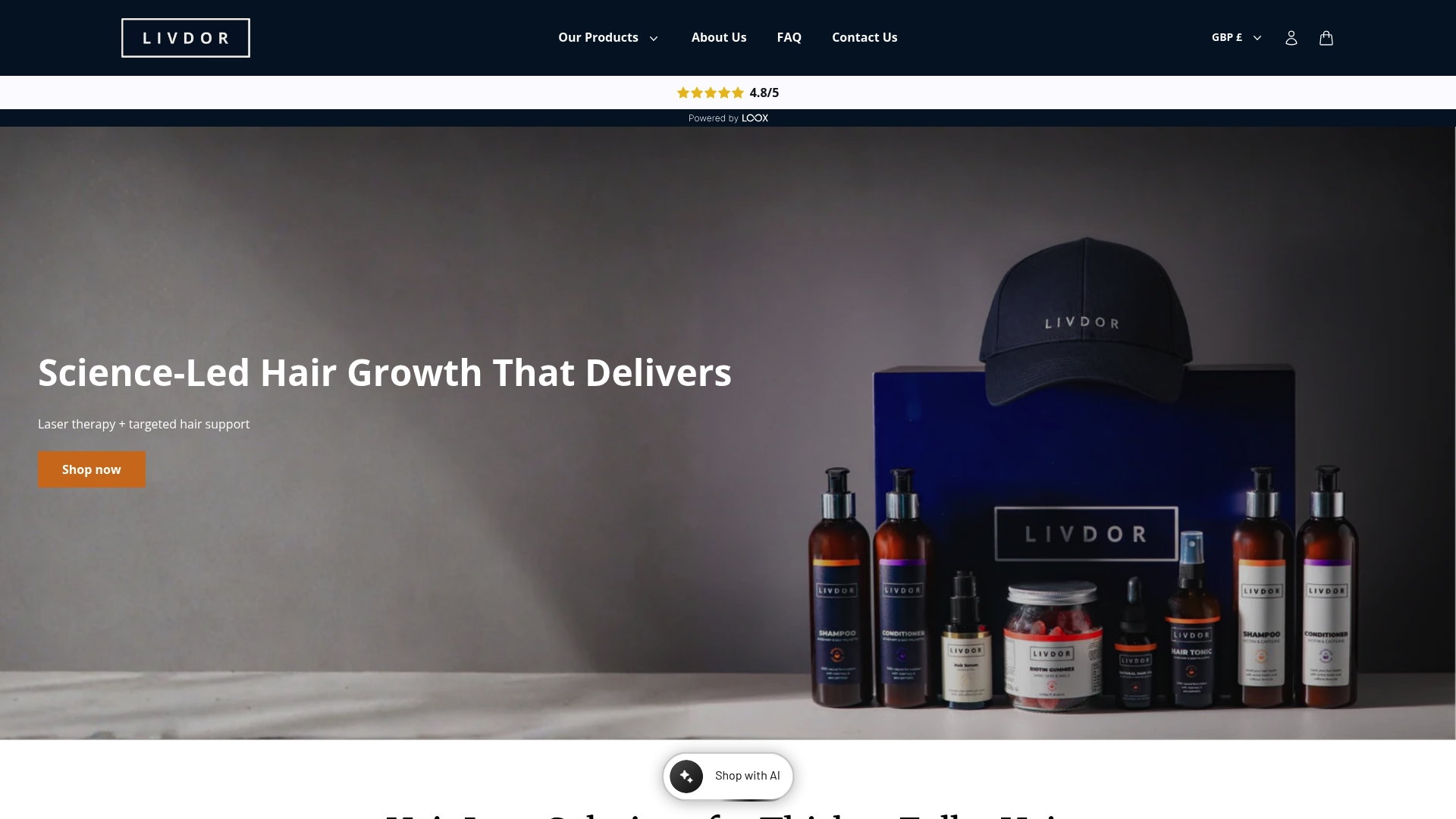
Livdor’s laser hair growth products bring together the 272-diode 650nm laser cap, the biotin and caffeine hair growth serum, and UK-made biotin gummies in one place, with UK delivery, a documented warranty, and trichologist-backed credibility. The starter bundle covers every layer of the evidence-based regimen described in this article. Visit livdor.com to see current bundle options, check warranty terms, and speak to the support team. If you have any health concerns or are on medication, consult your GP before starting.
FAQ
What is the most evidence-backed non-invasive hair loss treatment?
LLLT (low-level laser therapy) consistently ranks among the top non-surgical options in network meta-analyses, with results at 24 weeks comparable to pharmaceutical treatments and no significant side effects in most users.
How long does it take to see results from a laser cap?
Most users notice measurable changes between 12 and 24 weeks of consistent use. Some attenuation of response can occur after 12 weeks, which is why ongoing maintenance sessions are important.
Can biotin gummies and serums genuinely support hair growth?
Yes, when the formulation is well-designed. Controlled trials of multi-ingredient nutraceuticals report reduced shedding and increased hair counts at 90–180 days, and topical actives like caffeine and Redensyl show cumulative efficacy with daily use.
What should UK buyers check before purchasing a laser cap?
Look for CE or UKCA device certification, medical-grade laser diodes at 650nm, a clear warranty and returns policy, and published clinical data. Livdor’s Laser Hair Growth Cap meets all of these criteria.
When should I see a trichologist instead of self-treating?
See a trichologist or GP if you experience sudden or patchy loss, scalp inflammation, systemic symptoms, or no improvement after six months of consistent evidence-based treatment.



Leave a comment
This site is protected by hCaptcha and the hCaptcha Privacy Policy and Terms of Service apply.