
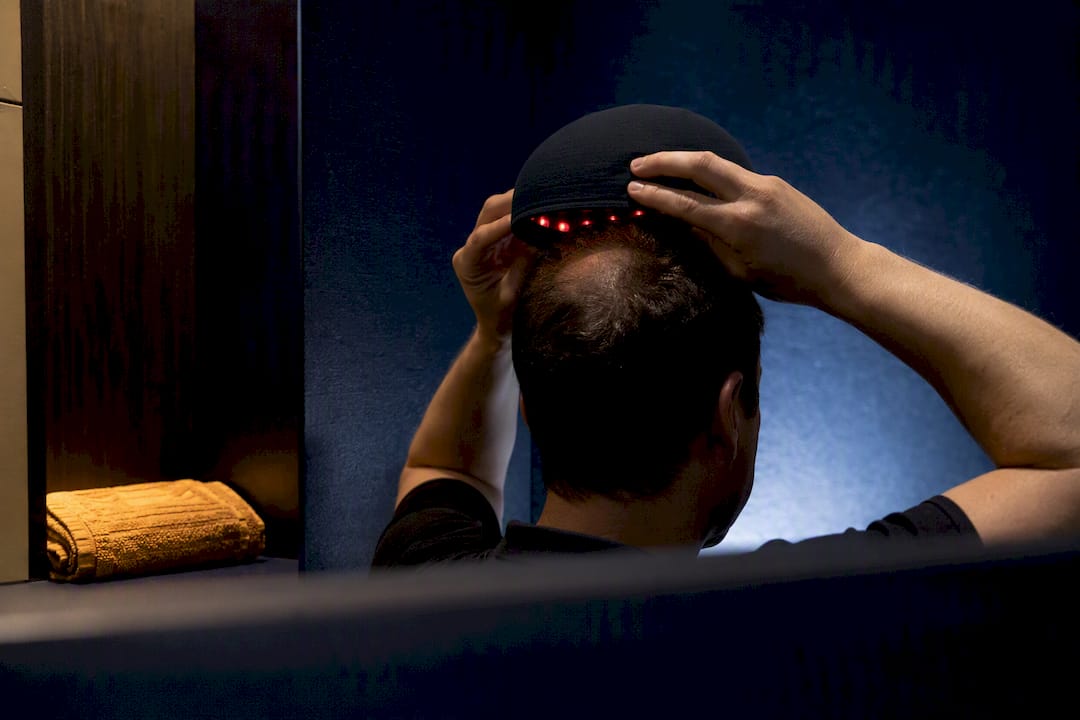
For early-to-moderate pattern hair loss, a laser hair growth cap is a sensible, evidence-backed option, provided you understand what it can and cannot do. It works on living follicles that are miniaturising, not on a scalp that has already gone smooth and bald. It carries a low risk of side effects, but it demands months of consistent use before you’ll see real change. Confirm your diagnosis first, choose a device you’ll actually use, and commit to it.
TL;DR:
- Laser diodes must be genuine and evenly distributed across the cap to effectively target all thinning areas of the scalp.
- Results are modest, with typical increases of 17 to 25 hairs per square centimeter after 16 to 26 weeks of consistent use.
- The treatment is most effective for early-stage androgenetic alopecia, where follicles are miniaturizing but still alive.
- Side effects are usually mild, including scalp dryness and warmth, and most devices are safety-verified through FDA 510(k) clearance.
- Combining laser therapy with topical or nutritional support can improve outcomes, especially when addressing early hair thinning or shedding.
What is a laser hair growth cap and how does LLLT work?
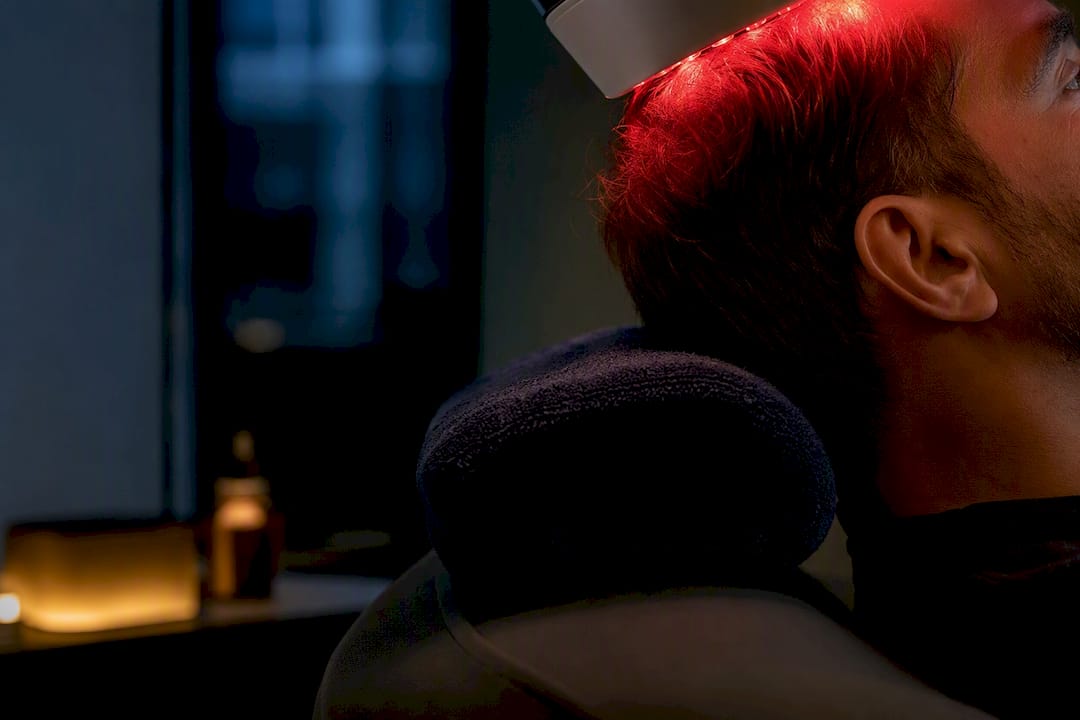
A laser hair growth cap is a wearable device lined with small laser diodes that deliver low-level light directly to the scalp. It sits inside the broader category of low-level laser therapy, often shortened to LLLT, which also includes helmet-style devices and flexible headbands. All three share the same underlying idea: bathe thinning areas in red or near-infrared light for a set number of minutes, several times a week, and encourage struggling follicles back into an active growth phase.
Not every device on the market uses genuine laser diodes. Some cheaper alternatives rely on LED bulbs instead, which scatter light more broadly and less precisely than a true laser. The distinction matters because lasers produce coherent, focused beams that penetrate the scalp more consistently, whereas LEDs disperse energy over a wider, shallower area. A cap built with true medical-grade laser diodes, rather than LEDs dressed up to look similar, is generally the better bet if you want the treatment matched to the trial evidence.
Wavelength is the other technical detail worth understanding before you buy. Most therapeutic devices sit in the red light band, typically around 630 to 680 nanometres, with 650nm being one of the most commonly used and studied wavelengths for scalp application. Some designs add near-infrared light for slightly deeper tissue penetration. Wavelength governs how far the light travels into skin and hair follicle tissue, so a device built around a wavelength outside the studied range is working from guesswork rather than precedent.
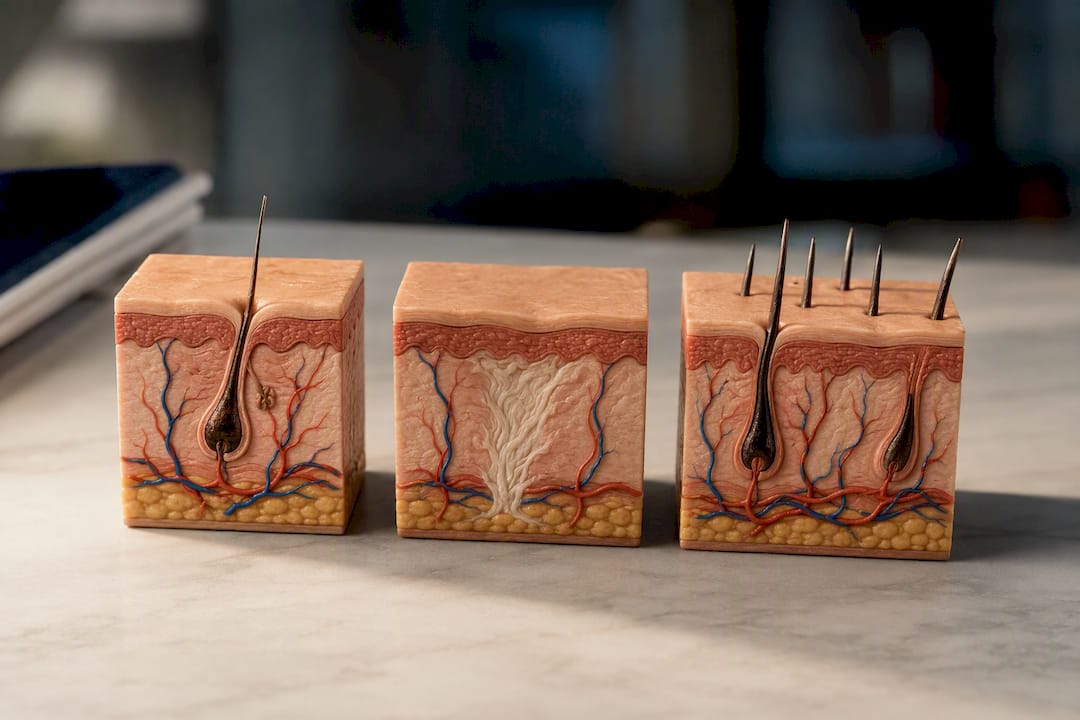
The proposed mechanism is called photobiomodulation. Light at these wavelengths is absorbed by mitochondria within follicle cells, which appears to increase cellular energy production (ATP). That extra energy is thought to support the follicle’s transition out of the resting phase and into active growth, while also improving local microcirculation and reducing low-grade inflammation around the follicle. None of this rebuilds a follicle that has already died, which is why the mechanism only works on living follicles that are shrinking rather than gone.
In practice, diode count and how evenly they’re arranged across the cap matter more than most buyers assume. A device with dozens of diodes clustered at the crown will do little for temple recession, and one with weak or inconsistent output across its surface may simply undertreat large sections of the scalp. Coverage and consistency, not just the headline diode number, decide whether the light actually reaches the follicles that need it. For a fuller look at the mechanism and the evidence behind it, this explainer on red light hair therapy is worth reading.
Who actually benefits from a laser cap?
The best candidates have androgenetic alopecia, the pattern hair loss driven by genetics and hormones that shows up as a receding hairline in men or diffuse thinning at the crown and parting in women. Clinicians typically describe severity using the Norwood scale for men and the Ludwig scale for women, and LLLT tends to perform best at the earlier stages of both, where follicles are miniaturising but still alive and cycling.
If your scalp in the affected area is smooth, shiny, and shows no fine regrowth at all, a laser cap is unlikely to do much. There’s nothing left to stimulate. The same applies to scarring alopecia, where fibrous tissue has replaced follicles outright, and to alopecia areata, an autoimmune condition with a completely different mechanism that light therapy doesn’t address. Laser caps are most suitable for people with pattern hair loss and are not designed to help scarring alopecia or autoimmune-driven shedding.
Sudden, dramatic hair loss deserves a different response entirely. If you’ve noticed handfuls coming out in the shower over a few weeks, that pattern points towards telogen effluvium, a thyroid issue, an iron deficiency, or another underlying cause that needs medical investigation rather than a light therapy device. A dermatologist or trichologist can usually tell within a single consultation whether you’re dealing with androgenetic alopecia or something else, and that diagnosis should come before you spend money on any device.
It’s also worth noting that much of the published trial evidence comes from a fairly narrow demographic, skewed towards certain age ranges and skin types, so results in the general population may vary somewhat from the headline figures. That’s not a reason to dismiss the treatment, but it is a reason to keep expectations grounded and to treat a cap as one part of a plan rather than a guaranteed fix. Getting a proper diagnosis first, through a dermatology or trichology consultation, is the single most useful thing you can do before buying anything.
Does laser therapy actually regrow hair? What the trials show
Yes, with caveats. Systematic reviews and randomised controlled trials consistently find that LLLT produces statistically significant increases in terminal hair count compared with sham devices in people with androgenetic alopecia. That’s a genuine, measurable effect, not a placebo artefact, but the size of that effect is modest rather than dramatic.
Statistic: Meta-analyses summarising multiple trials put typical gains in the region of 17 to 25 additional hairs per square centimetre after several months of consistent use. That’s a real, countable improvement, but it’s a thickening effect rather than a transplant-level transformation.
Timing matters when judging whether a cap is working. Randomised trials of home-use devices tend to measure meaningful increases in hair count between 16 and 26 weeks of consistent use, which is a longer runway than most people expect. Some users notice a subtler, earlier signal first: reduced shedding at the 4 to 8 week mark, often before any visible thickening shows up. That reduction in daily hair loss is frequently the first honest sign the treatment is doing something, well before density changes become obvious in photographs.
A few caveats deserve equal weight alongside the headline results:
- Many published trials involve relatively small sample sizes, which limits how confidently results generalise to everyone.
- A meaningful share of device trials are funded or sponsored by the manufacturer whose product is being tested, which is worth factoring into how you weigh the findings.
- Protocols vary considerably between studies, in session length, frequency, wavelength, and diode count, so results from one device don’t automatically transfer to another.
- Effect sizes across trials are consistently described as modest rather than dramatic, even when statistically significant.
One notable exception on the trial-quality front comes from device-specific testing rather than pooled reviews. A prospective trial of a 272-diode cap reported considerable increases in terminal hair counts against a sham device in its own cohort, which is a useful reminder that device-level evidence, where it exists, tends to be more informative than generic category claims. Reading the actual effect size in context, rather than the topline “clinically proven” marketing language, is the difference between realistic expectations and disappointment. Combination therapy, discussed further down, is where the more compelling before-and-after outcomes tend to come from.
Is a laser hair growth cap safe? Side effects and FDA clearance explained
Laser caps carry a genuinely low risk profile. Reported side effects are mostly mild and local: transient scalp itching, mild dryness, and a warm sensation during or after sessions. Serious adverse events are rare in the published literature.
A smaller group of people should check with a clinician before starting. People taking photosensitising medication, or with a diagnosed light-sensitivity condition, should ask a doctor before adding light therapy to their routine. Anyone with an active scalp infection, open sores, or a history of skin cancer on the scalp should also seek advice first, since applying light therapy to compromised skin isn’t well studied.
Pro Tip: Do a short patch test on the first couple of sessions, half the usual time, and check your scalp afterwards for unusual redness or irritation before committing to the full protocol.
The label “FDA cleared” appears on most legitimate home-use devices, and it’s worth understanding precisely what that means. FDA 510(k) clearance shows a device is substantially equivalent to an existing, already-cleared predicate device. It is not the same as FDA approval, a separate and more rigorous pathway usually reserved for drugs and higher-risk medical devices. Clearance confirms the device is reasonably safe and works on a similar principle to something already on the market. It doesn’t independently verify the manufacturer’s specific efficacy claims.
Before buying, a few checks are worth five minutes of your time:
- Ask for the specific 510(k) clearance number and look it up on the FDA’s own database rather than trusting the seller’s word.
- Look for published, device-specific clinical data rather than generic category claims borrowed from unrelated studies.
- Check the warranty length and return policy, since a company confident in its device usually backs it for a year or more.
How to choose a laser cap: a buying checklist
Get the technical specification right first, because no amount of good habits will fix a poorly built device. Prioritise these features in order:
- True laser diodes, not LEDs. Confirm the listing explicitly states laser diodes; some budget devices blur this distinction in their marketing copy.
- Diode count and placement. A device with hundreds of diodes spread evenly across the crown, temples, and hairline treats more of the scalp than one with a high count clustered in a single zone. LIVDOR’s laser hair growth cap uses 272 medical-grade laser diodes distributed for that kind of full-scalp coverage.
- Wavelength around 650nm. This sits within the red-light range most consistently used in the published trials.
- Session length that fits your life. Shorter daily sessions are generally easier to sustain than a longer, less frequent protocol, and consistency beats intensity in this category.
Fit and usability decide whether the device gets used at all, which is arguably the more important half of the equation. A hands-free cap you can wear while reading or watching television gets worn; a device that needs you to sit still holding it rarely survives past the first fortnight. Check battery life and charging arrangements too, since a cap that needs charging mid-session is a compliance problem waiting to happen.
- Confirm the fit accommodates your head size and hair length comfortably, particularly if you have thick or long hair that might block diode contact.
- Check the warranty term and what it actually covers, not just its headline length.
- Read the return policy before buying, especially for a device you can’t fully evaluate until several months in.
- Consider practical wear factors too. Cap design and comfort principles from everyday headwear guidance apply here as much as they do to any other cap you’d wear regularly.
A genuinely useful principle for this whole category: the highest-spec cap on paper is worthless if it sits in a drawer after week three. A slightly less impressive device that you actually wear every session, for six months straight, will outperform a superior spec sheet used inconsistently. Choose the device you can commit to, not just the one with the biggest numbers on the box.
What to expect: a realistic treatment timeline
Set your calendar, not just your expectations, before you start. Most protocols call for short daily sessions of around 10 to 20 minutes, though some devices use a less frequent, longer-session approach every other day. Either way, the total weekly time commitment usually lands somewhere between one and two hours.
The earliest sign worth tracking is shedding, not thickness. A noticeable drop in the hair you see on your pillow or in the shower drain often shows up around 4 to 8 weeks in, and it’s a reasonable indicator that the treatment is having a biological effect even before anything visible changes in the mirror.
Visible density change takes longer, typically somewhere in the 4 to 6 month range for people who are going to respond at all. That’s a long runway, and it’s the single biggest reason people quit too early. If you’ve hit month five with genuinely nothing to show, a few honest questions are worth asking:
- Have you actually completed the sessions as prescribed, or has compliance slipped over busy weeks?
- Is the device positioned correctly against the scalp each time, particularly around problem areas like the crown?
- Would a clinical review help rule out a cause other than androgenetic alopecia, or confirm whether combination therapy makes sense?
One point worth being upfront about: the improvement isn’t permanent once achieved. Stopping treatment generally leads to a gradual return towards your prior baseline over subsequent months, in the same way that stopping most non-surgical hair loss treatments does. LLLT works while you use it, not as a one-off fix. For more detail on structuring sessions around a working schedule, this guide on treatment frequency covers the practical side well.
Should you combine LLLT with hair growth serums and supplements?
Light therapy and topical or nutritional support work on different parts of the same problem, which is exactly why combining them tends to outperform either approach alone. LLLT stimulates follicle activity directly. Topicals and supplements improve the surrounding scalp environment and the nutritional building blocks a follicle needs to produce a strong hair shaft. Combination therapy, LLLT alongside minoxidil or finasteride, often produces superior results in the trials reviews cite, and the same logic extends to gentler, natural supporting products.
Finasteride is FDA-indicated for men only. Women who are or may become pregnant must not handle crushed or broken finasteride tablets, due to the risk of harm to a male fetus. It can also cause sexual side effects (reduced libido, erectile dysfunction) in a minority of men, which usually resolve after stopping treatment. Discuss these risks with a physician before starting.
A handful of categories consistently earn a place in a supporting regimen:
- Biotin, taken as gummies or applied through biotin-enriched shampoo and conditioner, supports the keratin production your hair shaft is built from.
- Caffeine shampoo is thought to help counteract some of the follicle-shrinking effects of DHT at the scalp surface, complementing what LLLT is doing beneath it.
- Rosemary and saw palmetto conditioner pairs a traditional circulation-supporting botanical with a natural DHT-blocking ingredient, both applied directly where thinning tends to start.
- A hair growth serum with biotin, caffeine, and Pro-Vitamin B5 delivers concentrated support straight to the scalp between laser sessions, rather than relying on a single wash-off product.
Pro Tip: Layer these products around your laser session rather than during it: wash with a biotin or caffeine shampoo, apply a rosemary and saw palmetto conditioner, then use your laser cap once the scalp is dry, finishing with a leave-in serum before bed.
A conservative stacking plan for someone starting from scratch looks like this: laser sessions on schedule, biotin or caffeine shampoo two to three times a week, a leave-in serum daily, and biotin gummies as a daily nutritional baseline. If you’re not seeing early signs of reduced shedding by month three, that’s the point to discuss adding topical minoxidil with a clinician, rather than abandoning the natural stack altogether.
What actually matters when you’re choosing this treatment
Most of the marketing around laser caps oversells the speed and undersells the discipline required. The evidence genuinely supports the category, but the honest read is that this is a slow, cumulative treatment for people whose follicles are still alive, not a quick fix for anyone.
My checklist for early thinning is short: get a proper diagnosis, buy a device with real laser diodes and published trial data behind it, and treat the first three months as a compliance test rather than a results test. Track shedding weekly and take a photograph under the same lighting every four weeks, since memory alone will convince you nothing is happening.
See a clinician if shedding hasn’t reduced by month three, or if density hasn’t shifted by month six. The trade-offs are real: this costs money upfront, demands a genuine time commitment for the best part of a year, and the improvements, even when they arrive, are measured in modest gains rather than dramatic transformations. Go in with that understanding and you won’t be disappointed by results that are, by the trial evidence, exactly what was promised.
— Adam Bond
Get started with LIVDOR’s laser cap and supporting regimen
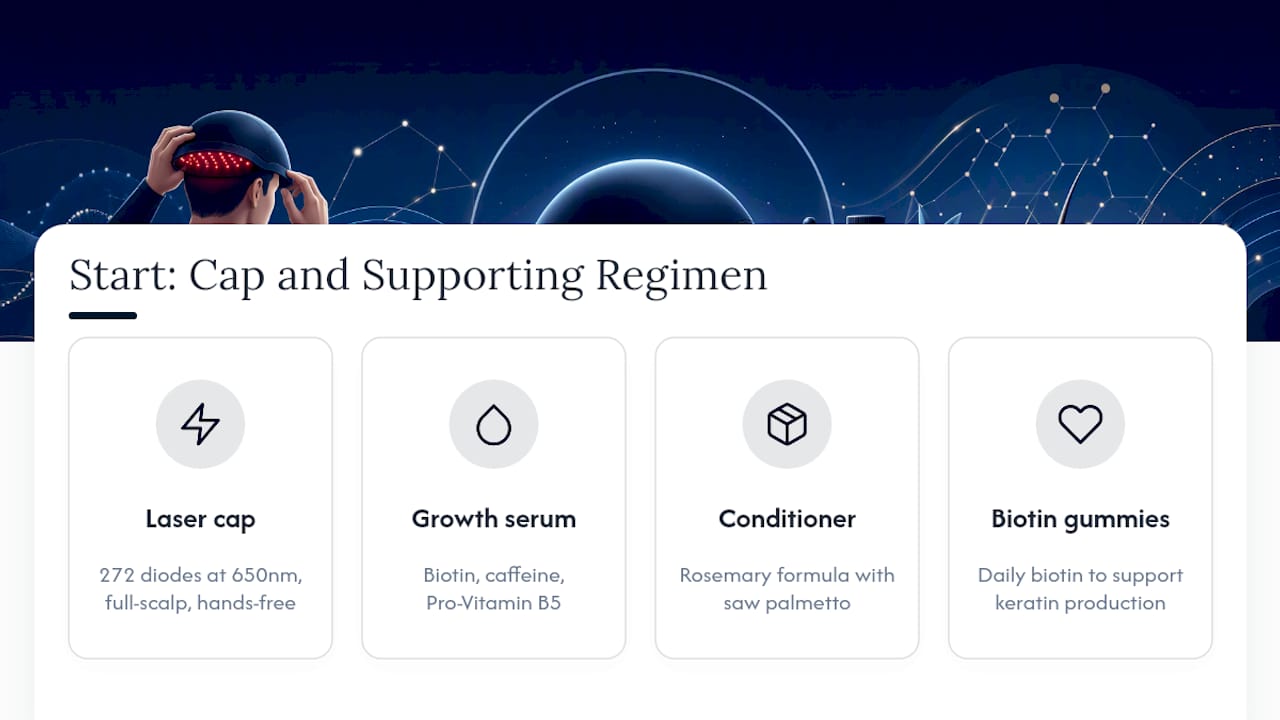
The laser hair growth cap uses 272 laser diodes at a 650nm wavelength, the same range studied in the trials discussed throughout this guide, built for full-scalp coverage rather than a single clustered zone. It’s a clinic-minded device designed for exactly the early-to-moderate thinning this article has walked through, and it’s built to be worn hands-free so daily sessions fit around your existing routine rather than fighting against it.

Pairing the cap with LIVDOR’s supporting range gives you the combination approach the evidence favours: a hair growth serum with biotin, caffeine, and Pro-Vitamin B5, a rosemary conditioner with saw palmetto, and daily biotin gummies to support keratin production from within. Each product is formulated without harsh chemicals or pharmaceuticals, so you’re layering natural support around the laser sessions rather than introducing anything aggressive to an already sensitive scalp.
Every LIVDOR device comes with a warranty and a clear returns process, and the team is reachable for questions about which regimen suits your stage of thinning. Browse the full laser hair growth product range or go straight to the laser hair growth cap product page to check current specifications and start your first month of consistent, trackable treatment.
This article is general information, not a substitute for advice from a qualified doctor. Consult a qualified healthcare professional about your own circumstances before acting on anything here.
Sources
- You asked, we answered: Do laser caps work for hair growth? | Nebraska Medicine
- Role of low-level light therapy (LLLT) in androgenetic alopecia | PMC
- Low-level laser (light) therapy for treatment of hair loss — PubMed
- Clinicaltrials
FAQ
Do laser hair growth caps actually work?
Yes, for androgenetic alopecia specifically. Trials show statistically significant increases in terminal hair count versus sham devices, though gains are modest and typically take 16 to 26 weeks to become measurable.
What are the side effects of using a laser hair growth cap?
Reported side effects are generally mild and local: scalp dryness, itching, and a warm sensation. Serious adverse events are rare, though anyone on photosensitising medication should check with a doctor first.
What is the best laser cap for hair growth?
The strongest devices combine true laser diodes (not LEDs), a wavelength around 650nm, and even coverage across the whole scalp. The laser hair growth cap uses 272 laser diodes at 650nm for full-scalp treatment.
What does FDA cleared mean for a laser cap?
FDA 510(k) clearance means the device is substantially equivalent to an existing predicate device, confirming a reasonable safety profile. It is not the same as full FDA approval and doesn’t independently verify every efficacy claim a manufacturer makes.
How long before you see laser cap results?
Reduced shedding is the earliest sign, often visible around 4 to 8 weeks in. Visible density improvement typically takes 4 to 6 months of consistent, correctly positioned use for people who go on to respond.


Leave a comment
This site is protected by hCaptcha and the hCaptcha Privacy Policy and Terms of Service apply.